
How to Price Your Soccer Tournament for Maximum Profit
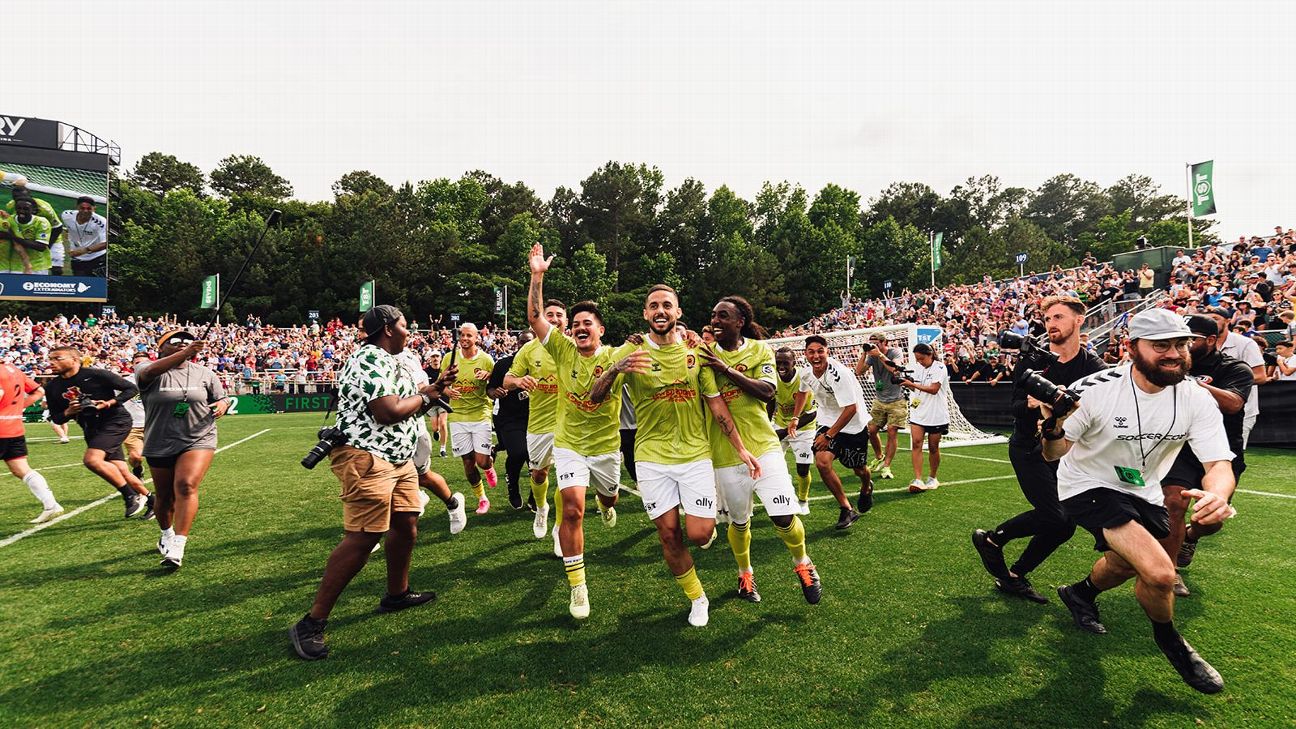
Pricing a soccer tournament isn’t guesswork — it’s strategy. Set the fee too low, and you leave money on the table or struggle to cover costs. Set it too high, and teams hesitate to register. The goal is to find the pricing sweet spot: maximum revenue, strong demand, and a great experience for every team.
Whether you’re hosting a small-sided 5v5 event, a competitive youth tournament, or a showcase weekend, this guide breaks down exactly how to price your tournament the right way.
1. Understand Your True Costs
Before choosing a price, calculate your real expenses. Many directors forget several hidden items and end up underpricing their event.
List Every Cost:
-
Field rental
-
Referees
-
Staff (admin, setup, directors)
-
Event insurance
-
Goals, nets, field paint, equipment
-
Medals and trophies
-
Athletic trainer
-
Marketing & advertising
-
Online registration fees (Stripe, etc.)
-
Porta potties / facilities
-
Parking or security
-
Lunches for staff
-
Software or scheduling tools
Add all fixed costs + variable costs = your break-even value.
Only after knowing your expenses can you build a price that guarantees profit.
2. Benchmark Against Local Competitors

Teams compare tournaments just like consumers compare products. Your pricing should reflect the market value in your region.
Research:
-
What do local tournaments charge per team?
-
What format do they offer (5v5, 7v7, 11v11)?
-
How many guaranteed games?
-
What level of competition do they attract?
-
Do they include extras (music, vendors, trainers, giveaways)?
If you offer a premium experience, you can charge more.
If you’re competing in a saturated market, you may need to stay in line with others.
Rule of thumb:
Teams are comfortable paying $350–$600 for 5v5/7v7 events and $700–$1,200 for larger full-field tournaments.
3. Determine Your Tournament Format (Game Count = Value)
Pricing correlates directly with the number of guaranteed games.
Typical price ranges by format:
-
5v5 / Street Soccer: $300–$500
-
7v7 or 9v9: $450–$650
-
11v11 Full-Field: $700–$1,200
-
Showcase Events: $1,200–$2,000+
Teams will pay more when they know they’re guaranteed:
-
More games
-
Longer halves
-
Professional fields
-
Better competition
If your event includes playoffs or finals, emphasize that — it helps justify higher pricing.
4. Use Tiered Pricing to Increase Revenue
Tiered pricing allows you to maximize registrations AND profit.
Three-Tier Approach:
-
Early Bird Price (cheapest)
-
Creates early momentum
-
Helps cover your initial costs
-
Usually $25–$75 off
-
-
Standard Price (normal)
-
Your baseline profit margin
-
-
Late Registration Price (highest)
-
Penalizes last-minute teams
-
Creates urgency
-
Usually $50–$100 more
-
Why this works:
Different teams buy at different stages — this captures revenue from all of them.
5. Add Optional Upsells to Boost Profit
This is where many tournaments leave money on the table. Simple upsells can dramatically increase total revenue.
High-ROI Upsells:
-
Team or player photos
-
Tournament shirts or hoodies
-
VIP shaded seating
-
Preferred parking passes
-
Vendor booth spaces
-
Livestream game access
-
Premium awards package
Even $10–$25 per team adds up fast across 60–120 teams.
6. Use Pricing Psychology

Small changes in how you present pricing can increase conversions dramatically.
Best practices:
-
Use ending numbers like $495 instead of $500
-
Show the early bird discount crossed out
-
Add “most popular” tags to your standard pricing
-
Highlight “3 games guaranteed” near the price
-
Use scarcity messaging (“Only 3 spots left in 2012 Boys”)
-
Offer bundle discounts for clubs with multiple teams
Parents and coaches rely on visual cues — structure your pricing to guide them.
7. Offer Club Discounts (But Strategically)
Clubs often want to register 5–12 teams at once. Discounts are great for volume — but they should never cut your profit margin too low.
Recommended club discounts:
-
3–5 teams: $25 off per team
-
6–10 teams: $50 off per team
-
11+ teams: custom pricing
These deals can lock in huge revenue early in the registration period.
8. Cap Your Divisions for Scarcity & Efficiency
Nothing sells a division faster than scarcity.
Example cap structure:
-
8 teams per division
-
3 games guaranteed
-
2 pools of 4 → final
When coaches see “Only 2 spots left,” they act quickly — and your price becomes less of a barrier.
Scarcity also reduces scheduling headaches and maximizes field use.
9. Maximize Profit by Increasing Capacity
Once your operations are tight, increasing your field count or adjusting your schedule can significantly increase profit.
Ways to increase capacity:
-
Add smaller 5v5 fields
-
Run shorter halves for younger divisions
-
Add Friday evening games
-
Expand to two locations
-
Use turf fields to run longer hours
Every additional division boosts profit dramatically.
10. Review Your Profit Margin
Aim for 30–50% profit margin after covering all costs.
For example:
-
Fee: $500 per team
-
Cost per team: $250
-
Profit per team: $250
-
80 teams → $20,000 profit
Consistent tournament organizers often build reliable revenue streams this way.
Final Thoughts
Pricing your tournament for maximum profit is part math, part marketing, and part strategy. When you:
-
Understand your costs
-
Benchmark the market
-
Use tiered pricing
-
Add high-value upsells
-
Create urgency
-
Put a cap on divisions
…you’ll consistently run profitable events that sell out fast and deliver an incredible experience for players and teams.